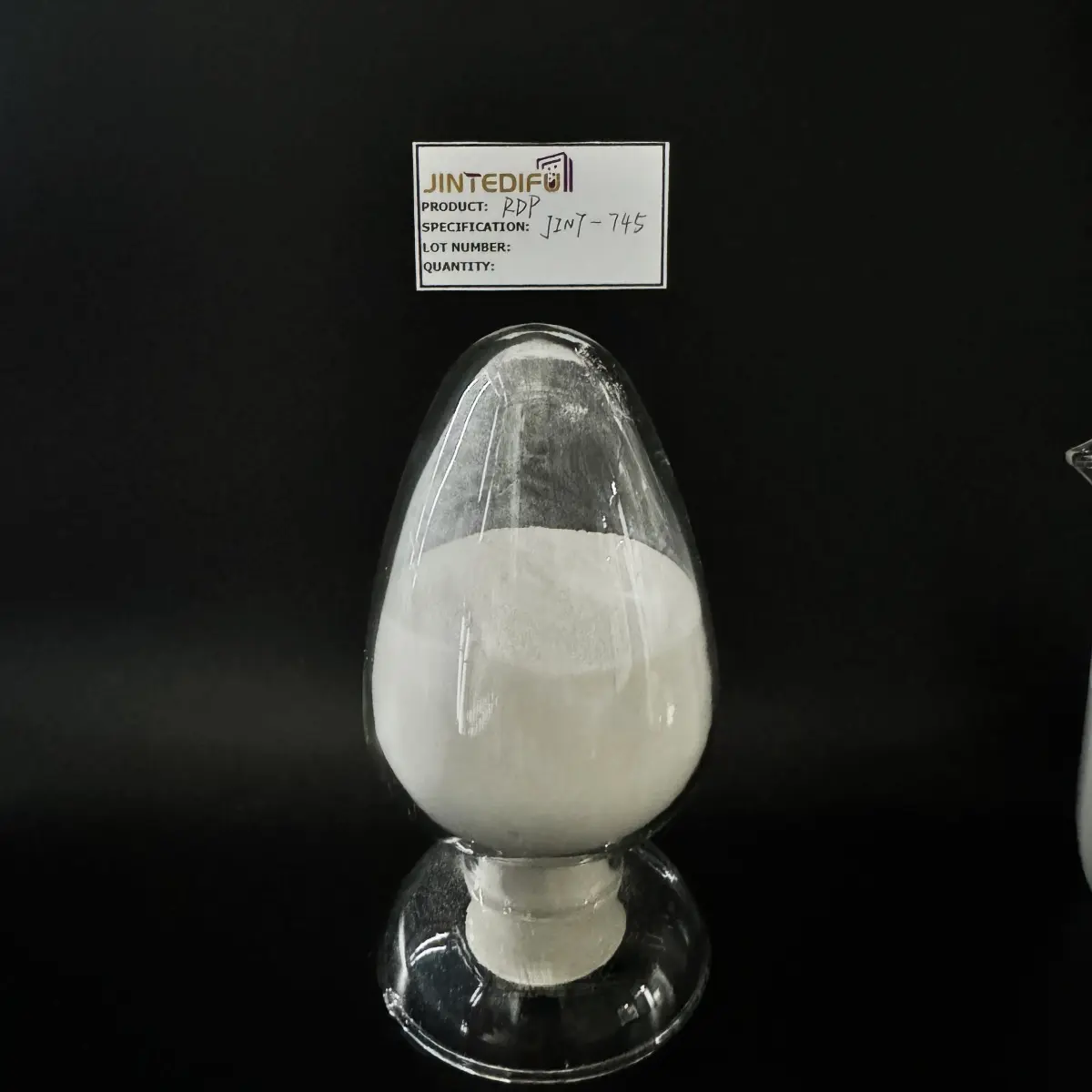

Ever wondered why the grout in a brand-new bathroom can start cracking in just a few years, or why a tile suddenly pops off the wall? The answer often lies in a hidden ingredient missing from the mix: Redispersible Polymer Powder (RDP), a key component in modern dry mix mortar additives.
So, what is RDP in construction? Think of it as tiny, dried particles of a very strong, flexible glue that “wakes up” with water, creating a microscopic web that prevents failures.
Indicator #1: It Mixes Like Pancake Batter, Not Clumpy Oatmeal
The first sign of quality appears right in the mixing bucket. A mortar containing high-grade RDP will blend into a smooth and creamy texture, much like pancake batter. Those annoying clumps you might see in cheaper mixes aren’t just difficult to spread; they are hidden weak spots that won’t bond properly, creating points of failure later on.
This superior workability makes the mortar glide off your trowel, helping you achieve a professional finish with less effort. But a good mix is just the start. The real test is how it performs once it’s dry, which brings us to its “bend-don’t-break” flexibility.
Indicator #2: The Final Product Has “Bend-Don’t-Break” Flexibility
Once the mortar dries, the RDP forms a continuous polymer network—a microscopic, flexible web holding everything together. This internal webbing is the key to creating a “bend-don’t-break” quality. It allows the final product to absorb tiny movements, from a door slamming to the natural expansion and contraction of a wall with changing temperatures.
This flexibility is vital. A rigid, unmodified mortar would crack under these small stresses, leading to tile failure. But because this internal polymer network can give a little, it protects the installation and ensures long-term durability. This same network is also responsible for an incredible boost in grip, which gives the mortar its “super-glue” stickiness.
Indicator #3: It Gives Mortar “Super-Glue” Stickiness
Beyond just holding the mortar together, that internal polymer net also creates incredible grab. This powerful adhesion, or “stickiness,” is what glues the mortar firmly to both the wall and the back of a heavy tile, preventing any sagging. Without this boost, gravity would be a constant problem, especially in vertical applications like a kitchen backsplash or shower wall.
This is why products labeled “polymer-modified” are the standard for reliable tiling; they contain the RDP needed to defy gravity. This adhesive film also works to block water from getting through.
Indicator #4: It Acts as a Shield Against Water
That strong polymer net does more than add strength—it forms a dense, water-resistant shield. Think of this feature as a built-in raincoat for your project, repelling moisture that tries to seep into grout or stucco. The enhanced redispersible powder water resistance is what keeps vulnerable areas dry.
This protection is vital for preventing mold and long-term damage in wet environments. It’s why a high-quality polymer-modified cementitious mortar is essential for bathrooms and exteriors.
What to Look For: From Powder to Powerful Performance
You now understand what separates a fragile grout line from a durable one. That smooth feel, powerful stickiness, and bend-don’t-break flexibility are not magic; they are the work of a microscopic polymer net holding everything together.
Your mission at the hardware store is simple: look for the words “polymer-modified” on any bag of mortar, grout, or stucco. This is your sign that you’re not just buying a mix—you’re investing in the hidden strength that ensures your work lasts.