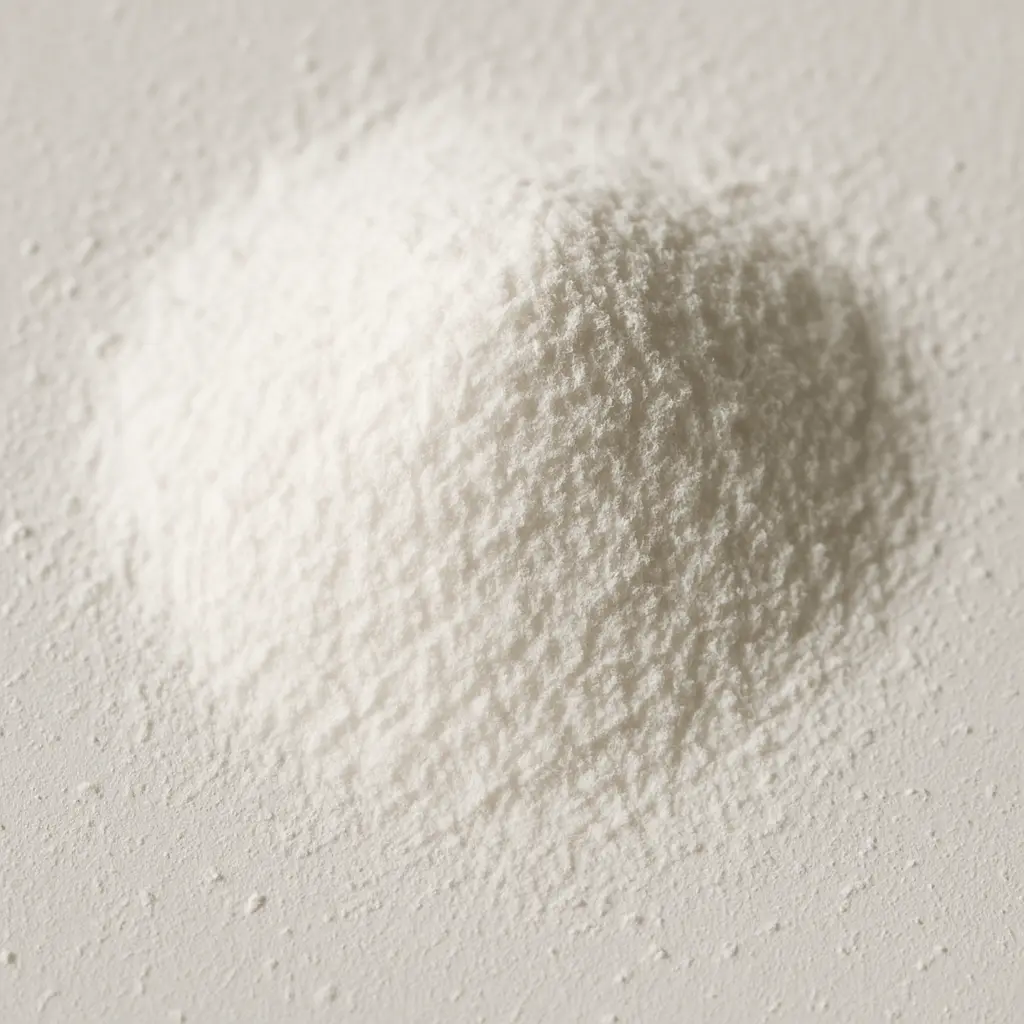

As the global shift toward environmentally friendly and low-VOC coatings accelerates, Hydroxyethyl Cellulose (HEC) has become one of the most important
functional additives in modern water-based formulations. With waterborne architectural paints and industrial coatings rapidly replacing solvent-based systems,
HEC is increasingly valued for its excellent thickening efficiency, rheology control, and stabilization functions.
Industry experts emphasize that selecting the right HEC grade and incorporating it properly into formulations is essential for achieving high-performance,
durable, and user-friendly coating systems.
1. Core Functions of HEC in Water-Based Paint
✔ High Thickening Efficiency
As a non-ionic cellulose ether, HEC provides stable viscosity and is available in a broad range of molecular weights. This versatility supports various application
methods including brushing, rolling, and spraying.
✔ Advanced Rheology Modification
HEC imparts ideal pseudo-plastic behavior, delivering high viscosity at rest to prevent settling while lowering viscosity under shear to improve ease of application.
✔ Improved System Stability
HEC enhances suspension performance and prevents pigment and filler settling, ensuring excellent in-can stability and uniformity throughout storage.
2. Enhancing Application Performance and Film Quality
HEC significantly improves the application properties of water-based paint, including:
Better resistance to paint spattering during rolling
Smoother application with optimized flow and leveling
Reduced brush and roller marks
Enhanced open time for easier adjustments
More uniform final film appearance
These improvements make HEC indispensable for premium interior wall paints, matt and silk-finish formulations, and high-performance decorative coatings.
3. Environmentally Friendly Material Supporting Green Development
Derived from natural cellulose, HEC aligns perfectly with the global trend toward sustainable materials. Key environmental advantages include:
Bio-based raw materials
Low VOC and low odor
Excellent compatibility with water systems
Compliance with global environmental regulations
This positions HEC as a preferred additive for coatings manufacturers focused on sustainability and environmental stewardship.
4. Synergy with Other Additives in Coating Formulations
HEC works synergistically with a wide range of additives, such as:
Dispersants to help wet and stabilize pigments
Coalescing agents to improve film formation
RDP, HPMC, and other polymers in multifunctional building materials
Stabilizers and wetting agents for complex formulations
These synergistic effects help formulators achieve balanced rheology and long-term performance.
5. Market Outlook: Moving Toward High-Performance, Fast-Dissolving Grades
With the rapid expansion of the water-based coatings market, HEC is evolving toward higher functionality. Key development trends include:
Fast-dissolving HEC grades for improved production efficiency
Enhanced high-shear performance for modern dispersing equipment
Low- to mid-viscosity grades optimized for construction coatings
Surface-modified grades providing improved dispersibility and anti-syneresis properties
These advancements will further support the development of next-generation water-based paint.
Name: Cecilia.Wang
E-Mail:cecilia.wang@jtdf-rdp.com
Mobile:+86 190 3451 3486(Whatsapp)