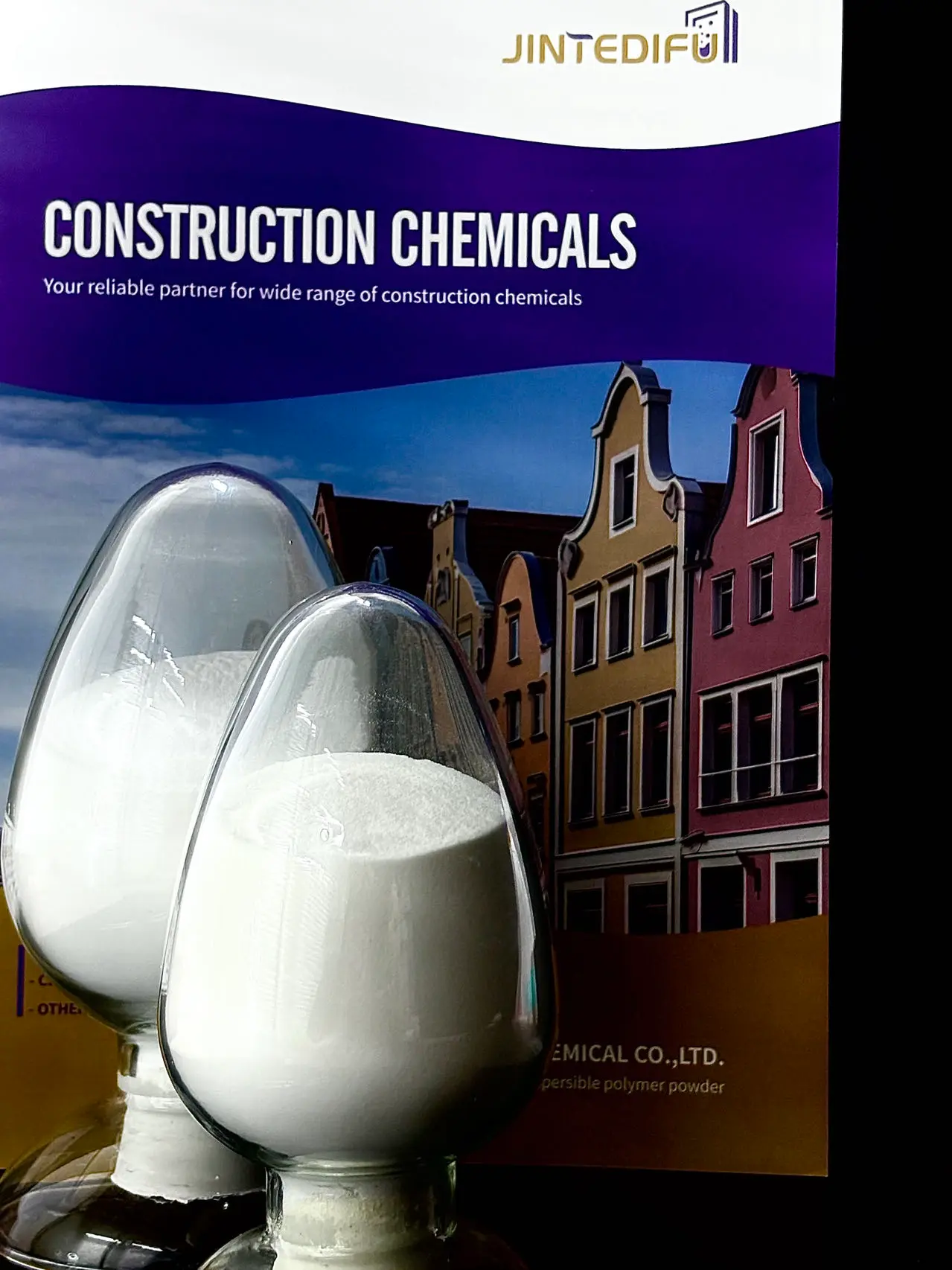

In the world of construction, the importance of high-quality materials cannot be overstated. One such material that has become indispensable is Hydroxypropyl
Methylcellulose, commonly known as HPMC. In this article, we’ll delve into what HPMC is, its uses in building, and why it is a crucial component in modern construction projects.
HPMC is a synthetic polymer derived from cellulose, which is an organic compound found in the cell walls of plants. It is widely used in various industries due to
its versatile properties, such as thickening, emulsifying, and stabilizing. In the construction industry, HPMC plays a pivotal role in enhancing the performance of building materials.
HPMC exhibits several properties that make it an ideal choice for construction applications:
Water Retention:
HPMC effectively retains water, ensuring that construction materials, like cement and plaster, do not dry too quickly.
This allows for better curing and a stronger final product.
Thickening Agent:
It acts as a thickener, providing the right consistency to building materials, which improves workability and application.
Film Formation:
HPMC creates a protective film on surfaces, which enhances durability and resistance to cracking.
Adhesion:
Its adhesive properties improve the bonding of construction materials to surfaces.
HPMC is a versatile additive used across a wide range of building applications.
Let’s explore some of the most common uses:
In tile adhesives, HPMC ensures that the adhesive has the right viscosity and workability. It also enhances the open time, which is the period during which tiles can be adjusted
after application. This flexibility is crucial for achieving precise alignment and reducing tile breakage.
HPMC improves the consistency and water retention of cement-based plasters and mortars. This results in better workability, reduced shrinkage, and increased adhesion to surfaces.
Builders can achieve smoother finishes and stronger bonds with the help of HPMC.
Gypsum-based products, such as drywall joint compounds, benefit greatly from the inclusion of HPMC. It enhances the spreadability and workability of the compound, making
it easier to apply and resulting in a smooth, professional finish.
In self-leveling floor compounds, HPMC contributes to even spreading and prevents segregation of the mixture. Its water retention properties ensure a uniform cure, leading to a level
and stable floor surface.
EIFS, also known as synthetic stucco, relies on HPMC to improve the adhesion and flexibility of the finish coat. HPMC helps in creating a durable and weather-resistant exterior finish that
can withstand the elements.
The benefits of incorporating HPMC into building materials are manifold.
Here are some of the key advantages:
HPMC enhances the workability of construction materials, making them easier to apply and manipulate. This results in faster application times and less waste, ultimately saving both time
and money on projects.
By improving water retention and adhesion, HPMC contributes to the longevity of building materials. Structures are more resistant to cracking, shrinking, and other forms of degradation,
ensuring a longer lifespan.
HPMC improves the overall performance of construction materials, leading to better load-bearing capacity and structural integrity. This is crucial for ensuring the safety and stability of buildings.
As a cellulose-derived polymer, HPMC is biodegradable and environmentally friendly. Its use in construction contributes to sustainable building practices and reduces the environmental impact of projects.
HPMC is a vital component in modern construction, offering a range of benefits that enhance the performance and durability of building materials. From tile adhesives to self-leveling compounds,
HPMC ensures that construction projects are completed efficiently and to the highest standards.
By understanding the properties and uses of HPMC, builders and contractors can make informed decisions about the materials they use, leading to better outcomes for their projects and the
environment. As construction techniques and materials continue to evolve, HPMC will undoubtedly remain a key player in the industry, driving innovation and excellence in building practices.
Name: Cecilia.Wang
E-Mail:cecilia.wang@jtdf-rdp.com
Mobile:+86 190 3451 3486(Whatsapp)