
In modern construction, the demand for high-performance materials is ever-growing. Dry mix mortar additives play a crucial role in meeting these demands. Among these additives, Redispersible Polymer Powder (RDP) stands out.
RDP enhances the properties of construction mortar, making it more flexible and durable. It improves adhesion and water resistance, essential for long-lasting structures.
The use of RDP in dry mix mortar is not just about performance. It also supports sustainable building practices.
RDP’s versatility allows it to be used in various construction applications. From tile adhesives to plasters, its benefits are numerous.
Understanding the role of RDP in construction is vital for industry professionals. It represents a significant advancement in building materials.
Understanding Dry Mix Mortar and Its Importance in Construction
Dry mix mortar is a pre-mixed blend of essential construction materials. Typically, it includes cement, sand, and advanced additives. This pre-mixed nature ensures consistent quality and performance across projects.
The importance of dry mix mortar cannot be overstated in modern construction. It delivers ease of use and reduces the time needed for mixing on-site. This results in more efficient construction processes and can lead to cost savings.
Key advantages of dry mix mortar include:
- Consistent quality and composition
- Reduced material waste
- Improved work efficiency
Dry mix mortar is designed to meet high-performance standards. It is suitable for various applications, from masonry work to wall rendering. Its role in reducing construction errors and enhancing overall durability is significant.
What is RDP? An Overview of Redispersible Polymer Powder
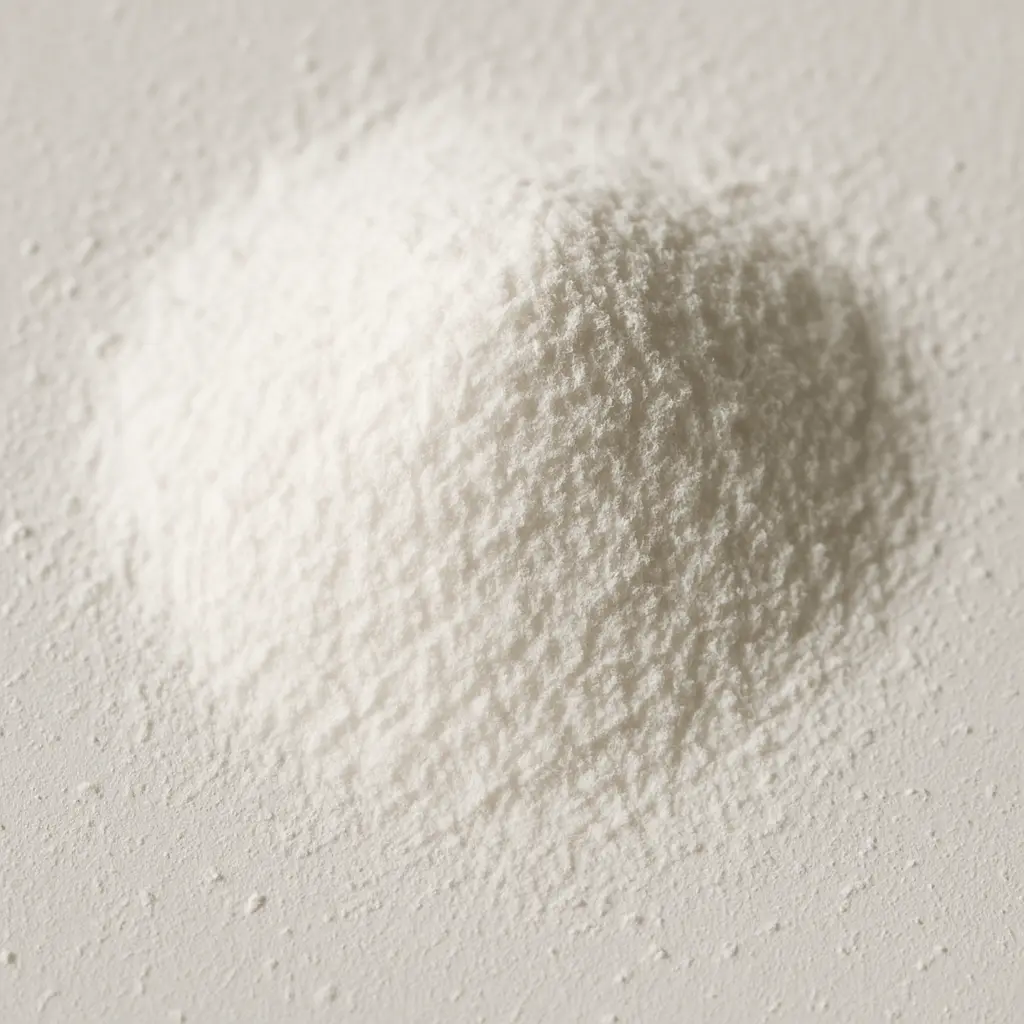
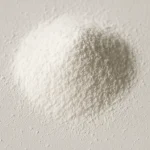
Redispersible Polymer Powder (RDP) is a pivotal component in dry mix mortars. It improves the mix’s properties, enhancing flexibility and adhesion. As the name implies, RDP can redisperse in water, restoring its original polymer dispersion.
RDP is derived from polymers like vinyl acetate ethylene. These polymers are spray-dried to form a fine powder that integrates easily into mortar. When added to dry mixes, RDP delivers superior performance.
Benefits of RDP include:
- Improved water resistance
- Enhanced durability
- Increased workability and ease of application
By enhancing the mechanical and chemical properties of mortar, RDP plays a crucial role in modern construction. Its unique properties make it an invaluable additive for achieving high-quality finishes.
The Role of RDP in Dry Mix Mortar
RDP significantly enhances the performance of dry mix mortar. It forms a flexible matrix that binds and reinforces the mortar mix.
This flexibility reduces cracks and shrinkage. RDP helps the mortar withstand structural stresses and environmental factors.
RDP also enhances adhesion properties. It allows the mortar to bond strongly to various surfaces, ensuring durable construction.
Moreover, RDP improves water resistance. It creates a water-repellent barrier, protecting structures from moisture damage.
Key roles of RDP in dry mix mortar include:
- Increasing tensile strength
- Enhancing freeze-thaw resistance
- Improving bond strength
- Providing thermal insulation
These roles show the transformative impact of RDP. By incorporating RDP, construction projects benefit from improved longevity and efficiency. Modern builders and architects rely on RDP to meet high-performance standards. The additive continues to redefine construction possibilities.
Key Benefits of Using RDP in Construction Mortar
The benefits of using RDP in construction mortar are numerous. It enhances the workability of mortar, making it easier to apply.
RDP increases the durability of structures. By improving flexibility and adhesion, it ensures lasting performance.
Another advantage is cost savings. RDP’s ability to reduce cracks and repairs minimizes long-term maintenance costs.
Structures with RDP experience improved thermal insulation. This results in energy savings and greater comfort for occupants.
Key benefits of RDP include:
- Enhanced workability
- Increased durability
- Reduced maintenance costs
- Improved thermal insulation
RDP also contributes to aesthetic quality. Mortars with RDP provide smooth finishes and uniform textures.
In summary, the benefits of RDP span practical, economic, and aesthetic realms. Construction projects that incorporate RDP gain a considerable edge. It’s not just an additive but a vital contributor to modern construction excellence.
Applications of RDP in Modern Construction
RDP is versatile in its applications across different construction scenarios. Its role is prominent in tile adhesives, ensuring strong bonds and longevity.
It also finds use in plastering and rendering. By enhancing adhesion, RDP ensures plaster remains intact and smooth over time.
In external wall insulation systems, RDP plays a crucial role. It enhances resistance to weather extremes, contributing to thermal efficiency.
Applications of RDP include:
- Tile adhesives
- Plastering and rendering
- External wall insulation
RDP is highly valued in renovation and restoration projects. Its properties are ideal for restoring aging structures to their former glory.
In modern construction, RDP’s application extends to both interior and exterior projects. It’s a key player in innovative building solutions today.
RDP and Sustainable Building Practices
Sustainability is vital in today’s construction landscape. RDP contributes significantly to sustainable building practices through its various properties and applications.
By reducing material waste and enhancing the longevity of structures, RDP helps in creating more eco-friendly projects. Its efficiency in reducing cracks and shrinkage minimizes repair needs.
Moreover, RDP’s benefits extend to enhancing energy efficiency. By improving insulation, it aids in achieving higher energy savings.
Sustainable benefits of RDP include:
- Reducing material waste
- Enhancing structural longevity
- Improving energy efficiency
RDP aligns with modern efforts to build greener, more resource-efficient structures. Its role in sustainable construction is both practical and innovative, supporting greener initiatives.
Choosing the Right RDP for Your Project
Selecting the suitable RDP is critical for optimal performance. Different projects have distinct requirements, so understanding these needs is paramount.
Grades of RDP vary, each with specific features tailored for applications. Consider factors like flexibility, adhesion, and climate conditions.
Key considerations when choosing RDP include:
- Required adhesive strength
- Environmental conditions
- Cost-effectiveness
Consulting with suppliers and understanding project specs can guide you in making informed decisions. Analyzing these factors helps ensure the chosen RDP matches the project’s demands, facilitating successful outcomes.
Conclusion: The Future of Mortar Additives in Construction
The role of RDP in modern construction is indispensable. With its unique properties, RDP transforms traditional mortar into a high-performance material. This transformation is pivotal for meeting contemporary construction demands.
As construction methods evolve, the importance of innovation, such as RDP additives, will grow. These advancements not only enhance quality but also promote sustainability and efficiency in building practices.
Looking forward, the use of mortar additives like RDP will continue to expand. This expansion aligns with the global push towards more sustainable and resilient construction solutions. The integration of such technologies promises a future where buildings are both durable and environmentally considerate.