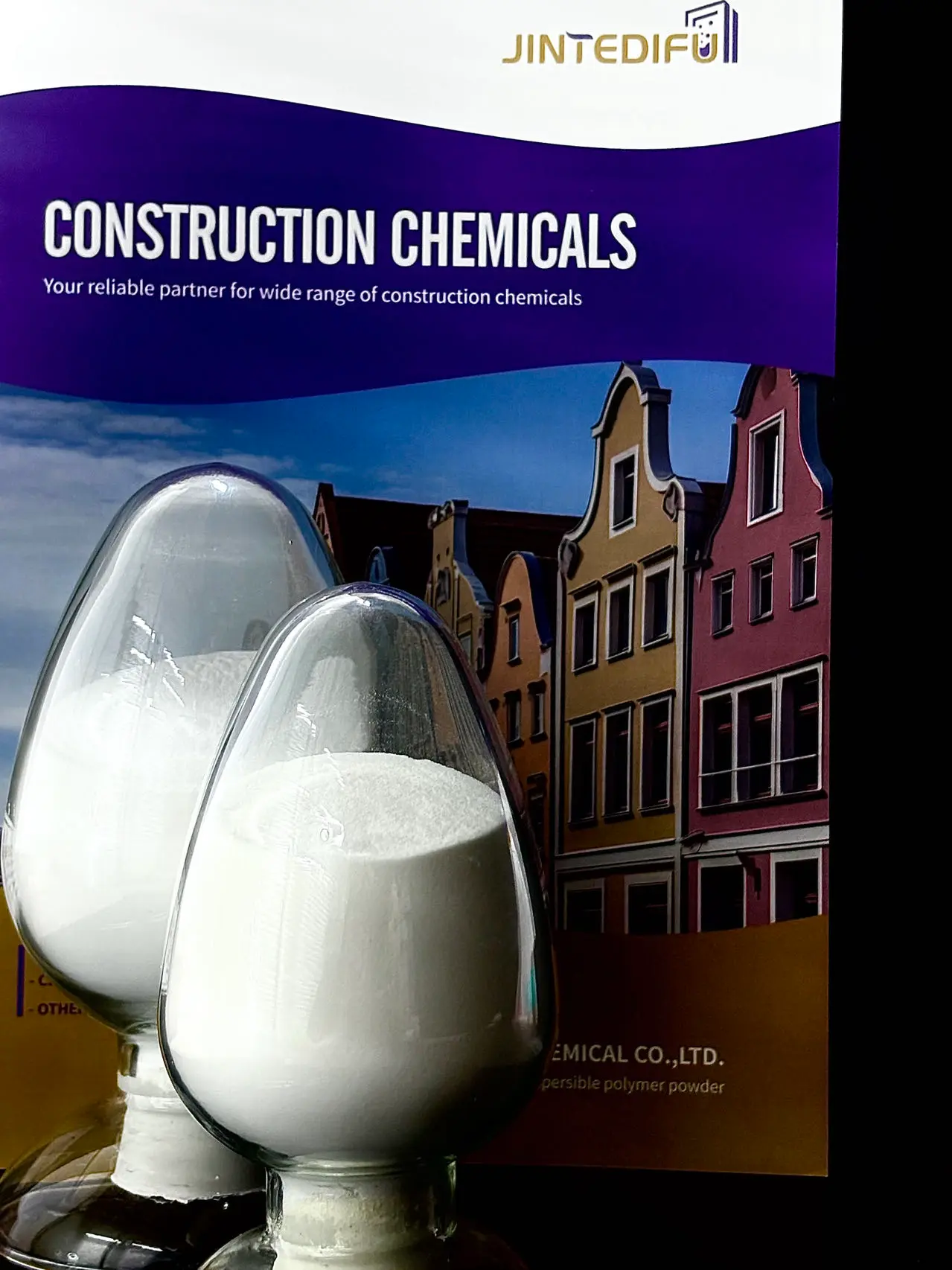

In the world of construction, mortar additives play a crucial role. They enhance the performance and durability of building materials. Two key additives are RDP and HPMC.
RDP stands for Redispersible Polymer Powder. It improves flexibility and adhesion in mortar. HPMC, or Hydroxypropyl Methylcellulose, enhances water retention and workability.
Understanding these additives is essential for construction professionals. Each offers unique benefits and applications. RDP is often used in tile adhesives and insulation systems.
HPMC is favored in plasters and renders. Choosing the right additive can significantly impact the quality of construction. This article explores the key differences between RDP and HPMC.
By understanding their roles, you can make informed decisions. This ensures optimal performance in your construction projects.
Understanding Mortar Additives: The Basics
Mortar additives are crucial ingredients used in construction. They enhance various properties of mortar, making it more durable and efficient. Without additives, mortar may lack essential traits.
These additives improve factors like strength, adhesion, and workability. They ensure that mortar performs well under different conditions. There are numerous types of mortar additives, each serving a unique purpose.
Key categories of mortar additives include:
- Polymers: Improve flexibility and adhesion.
- Cellulose ethers: Enhance water retention and workability.
- Plasticizers: Increase mortar flow and workability.
- Accelerators: Speed up setting time.
Construction professionals rely on these additives to meet modern building demands. Selecting the right additive can significantly enhance project outcomes. Every construction project has specific requirements, and choosing the right mix of additives is vital for success. Understanding the basic functions of these additives is the first step toward achieving superior mortar performance in construction.
What is RDP? (Redispersible Polymer Powder)
Redispersible Polymer Powder (RDP) plays a pivotal role in construction. It enhances the flexibility and adhesion of mortar. This powdered additive comes from polymers.
RDP dissolves in water, re-forming into polymer emulsions. This transformation helps improve bonding strength in mortars. The adhesive quality is especially beneficial for tiles and insulation systems.
Key benefits of RDP include:
- Flexibility: Helps mortar adapt to structural movements.
- Adhesion: Enhances bonding to different surfaces.
- Durability: Increases resistance to weathering and aging.
Mortars containing RDP resist cracking and shrinkage better. They also offer improved freeze-thaw stability, making them ideal for diverse climates.
RDP is compatible with a range of building materials and additives. Its versatility allows it to meet varied construction needs. By improving key mechanical properties, RDP helps create high-performance mortars that are crucial in modern construction techniques.
What is HPMC? (Hydroxypropyl Methylcellulose)
Hydroxypropyl Methylcellulose (HPMC) is another vital additive in construction. It belongs to the family of cellulose ethers. This makes it distinct from polymer-based additives like RDP.
HPMC is primarily valued for enhancing water retention. It dissolves in water, forming a gel-like consistency, which helps maintain moisture in mortar. This quality is crucial in preventing premature drying.
Key advantages of HPMC include:
- Water Retention: Prevents rapid loss of moisture.
- Workability: Improves the ease of handling mortar.
- Thixotropy: Allows for better sag resistance.
Plasters and renders benefit greatly from HPMC. Its thixotropic properties ensure easier application and superior finish. Moreover, it increases the open time of mortar, extending workable periods.
In addition to functionality, HPMC augments the aesthetic quality of mortar. It improves surface smoothness and finish. By promoting a balanced moisture environment, HPMC optimizes curing, thereby enhancing durability and longevity.
RDP vs HPMC: Chemical Composition and Structure
RDP and HPMC have distinct chemical compositions. Understanding these differences is crucial for selecting the right additive.
RDP, or Redispersible Polymer Powder, is a synthetic polymer. It primarily consists of ethylene-vinyl acetate, styrene-butadiene, or acrylic polymer. This composition imparts RDP with its unique flexibility and adhesion enhancements.
HPMC, however, is derived from natural cellulose. It undergoes a chemical transformation to become a modified cellulose ether. This structure provides its notable water retention and workability properties.
Key structural differences:
- RDP: Synthetic polymer-based.
- HPMC: Natural cellulose-based.
These differences are not just academic. They affect performance and application, guiding their use in construction contexts. Understanding these variances is vital for maximizing mortar potential.
Key Functional Differences in Mortar Applications
RDP and HPMC each offer distinct functional benefits in mortar applications. Recognizing these benefits aids in optimizing mortar performance for specific construction needs.
RDP enhances the flexibility and adhesion of mortar. This makes it ideal for environments where bonding strength is essential, such as tile adhesives and external insulation systems. Its polymer nature also improves resistance to cracking and shrinkage.
HPMC, on the other hand, excels at water retention. This is crucial for ensuring proper curing and preventing premature drying. It is best used where maintaining moisture and consistency is critical, like plasters and renders.
Additional functional differences include:
- RDP: Enhances freeze-thaw stability and impact resistance.
- HPMC: Provides thixotropic properties for better application.
Given their varied properties, the choice between RDP and HPMC depends on the construction project’s specific demands. By understanding these functional differences, professionals can select the additive that best meets their performance objectives. This tailored approach enhances both the efficiency and durability of the mortar used.
Performance Comparison: RDP vs HPMC in Mortar
When comparing RDP and HPMC in mortar, different performance aspects are highlighted. Each additive provides unique enhancements to mortar properties.
RDP boosts the mechanical strength of mortar. It enhances tensile and flexural strength, which is crucial in demanding environments. Additionally, RDP improves adhesion to various substrates, including concrete and metals.
HPMC excels in optimizing mortar’s physical properties. It improves workability and ease of application, making it valuable during the construction process. Its impact on water retention also improves consistency and finish quality.
Other performance distinctions include:
- RDP: Reduces water-cement ratio, increasing strength.
- HPMC: Enhances the open time, providing more working flexibility.
- RDP: Contributes to color stability in pigmented mortars.
These characteristics illustrate how each additive serves different, complementary roles. The choice between RDP and HPMC should rely on specific project requirements. Understanding these performance metrics enables construction professionals to achieve desired project outcomes effectively. Thus, by recognizing the strengths of each, superior mortar formulations can be obtained.
Typical Uses and Application Scenarios
RDP and HPMC each have distinct uses in construction due to their specific benefits. These additives address different challenges encountered in mortar applications.
RDP is frequently used in tile adhesives and External Insulation Finish Systems (EIFS). Its ability to enhance adhesion and flexibility makes it ideal for these contexts. Another common use of RDP is in renovation projects to improve the bonding of new to old mortar.
HPMC’s strength lies in improving water retention and consistency. This is especially useful in plasters and renders where these properties are crucial. It is often chosen for applications requiring smooth finishes and easy application, such as skim coats.
A summary of typical uses includes:
- RDP: Tile adhesives, EIFS, renovations.
- HPMC: Plasters, renders, skim coats.
By understanding these application scenarios, professionals can select the right additive based on project requirements, ensuring optimal performance and longevity.
Synergistic Effects: Using RDP and HPMC Together
Combining RDP and HPMC can yield enhanced results in mortar applications. These additives complement one another, providing a balance of properties not achievable alone.
Together, they improve the mechanical and chemical stability of mortar. This blend can also optimize workability and adhesion. Projects requiring diverse performance characteristics can benefit from using both RDP and HPMC.
Key synergistic effects include:
- Improved adhesion and flexibility.
- Enhanced water retention and workability.
- Greater durability and surface finish.
By leveraging the combined strengths of RDP and HPMC, construction professionals can tailor mortar properties to meet specific project needs, maximizing efficiency and quality.
Environmental Impact and Sustainability
Both RDP and HPMC are valued for their low environmental impact. They contribute to more sustainable construction practices by reducing resource wastage.
These additives facilitate energy-efficient building designs, thanks to their ability to enhance insulation. Improved durability also results in less frequent repairs, minimizing construction waste.
Key sustainability benefits include:
- Reduced material waste.
- Enhanced energy efficiency.
- Contribution to longer building lifespans.
Utilizing RDP and HPMC responsibly supports eco-friendly building goals, aligning with modern sustainability standards.
How to Choose the Right Additive for Your Project
Selecting between RDP and HPMC depends on your project needs. Consider the desired properties of mortar, such as flexibility or water retention.
Evaluate the environmental conditions where the mortar will be used. Some projects might benefit from the combined use of both additives.
Key factors to consider include:
- Climate conditions.
- Required mortar properties.
- Specific application scenarios.
Carefully assess these criteria to make an informed choice for optimal mortar performance. Proper selection ensures enhanced durability and functionality in your construction projects.
Conclusion: Making the Best Choice for Mortar Performance
Understanding the differences between RDP and HPMC is crucial for construction success. Both additives offer unique benefits for enhancing mortar performance.
Choosing the right additive depends on specific project requirements and environmental conditions. Carefully weighing these factors ensures optimal results and longevity.
Incorporating the right mortar additives like RDP and HPMC leads to improved construction quality. By selecting appropriately, you can achieve desired strength, durability, and flexibility in your projects.