
Self-leveling compounds are essential in creating smooth, flat surfaces for flooring. They ensure a perfect base for tiles, wood, or carpet. But what makes these compounds so effective?
The secret lies in a key ingredient: Redispersible Polymer Powder (RDP). RDP plays a crucial role in enhancing the performance of self-leveling compounds.
It improves flexibility, adhesion, and water retention, preventing issues like cracking and shrinkage. This makes RDP-modified compounds ideal for both interior and exterior applications.
Understanding the functions of RDP can help construction professionals and DIY enthusiasts achieve better results. In this article, we will explore how RDP enhances self-leveling compounds and its benefits.
Understanding Self-Leveling Compounds
Self-leveling compounds are widely used in construction to create flat, even surfaces. These compounds flow easily, filling gaps and leveling uneven floors. This process provides a perfect substrate for further flooring installations like tiles or wooden planks.
Typically, self-leveling compounds are based on a blend of cement, fine aggregates, and additives. When mixed with water, they form a slurry that quickly smooths over surfaces. This mix flows easily, making it suitable for fast applications.
The primary benefits of using self-leveling compounds include:
- Creating a uniform, level surface.
- Reducing the need for extensive floor preparation.
- Saving time and labor during installation.
These compounds are versatile and can adapt to various project needs. They are suitable for use on different substrates, including concrete, wood, and tiles.
The combination of ease of use and excellent results makes them indispensable in construction.
What Is RDP (Redispersible Polymer Powder)?
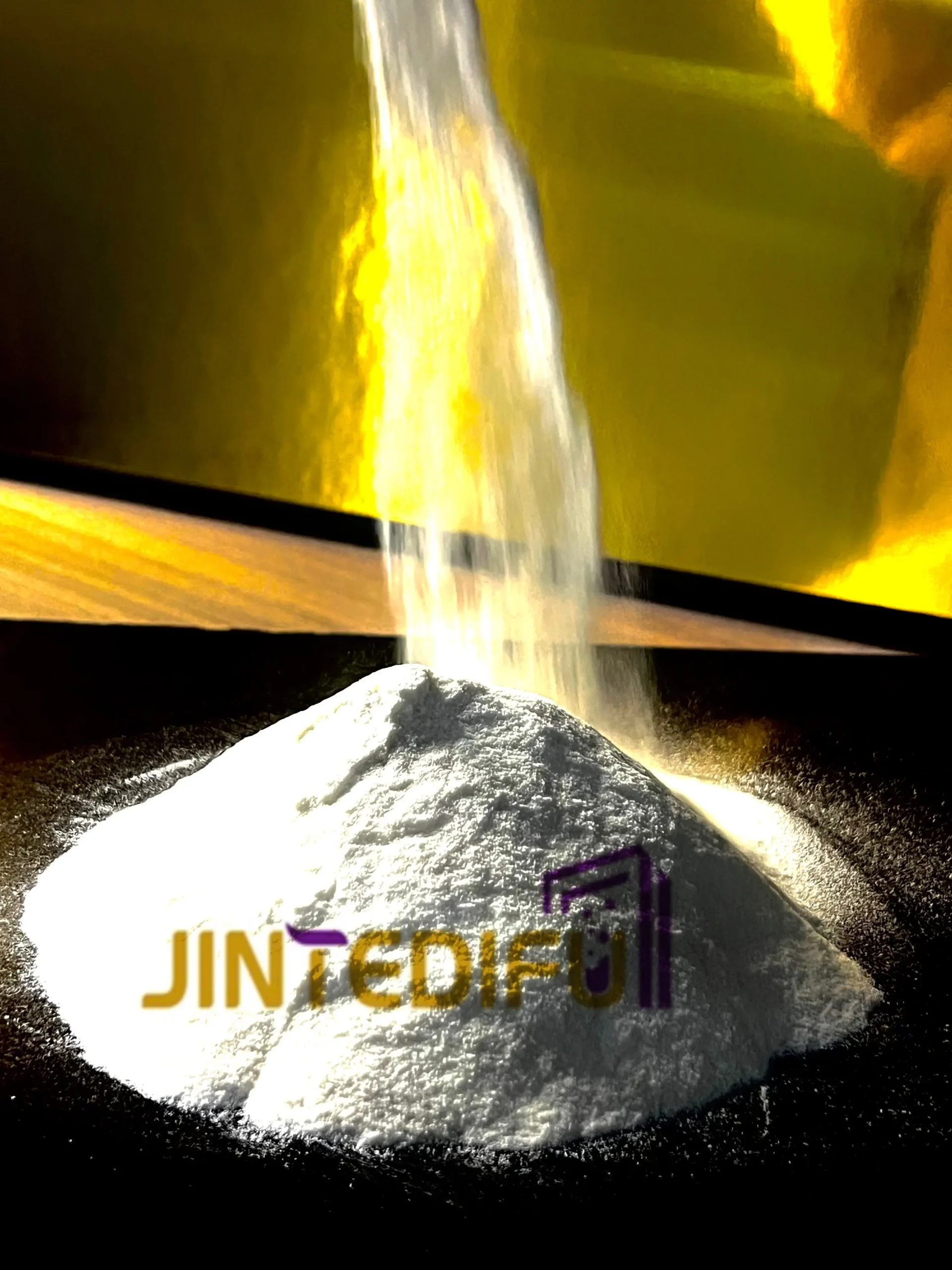
RDP, or Redispersible Polymer Powder, is a vital component in modern building materials. It’s essentially a polymer that can be reactivated into a liquid form when mixed with water. This unique feature allows it to enhance the properties of various construction products.
RDP primarily increases the flexibility and adhesion of these materials. When used in self-leveling compounds, it boosts performance significantly. This improves the compound’s ability to adhere to different substrates without additional binding agents.
Key characteristics of RDP include:
- Enhanced flexibility and adhesion.
- Improved water retention.
- Activated by mixing with water.
These properties make RDP an essential ingredient in creating durable and reliable self-leveling compounds. Its adaptability allows it to be used in both interior and exterior applications, offering universal solutions in construction.
Key Functions of RDP in Self-Leveling Compounds
RDP serves multiple roles in self-leveling compounds, transforming them into high-performance construction materials. One of its primary functions is enhancing flexibility. This feature is crucial for compounds that need to adjust to slight movements in the substrate without cracking.
The adhesion qualities RDP offers are also pivotal. This polymer improves the compound’s ability to bond to various surfaces. Different substrates like concrete, wood, and tiles benefit from this enhanced adhesion, minimizing the need for primers.
Water retention is another critical function of RDP. By delaying the drying process, RDP ensures the self-leveling compound remains workable for longer periods. This reduces the risk of premature drying, which can lead to surface imperfections.
RDP also boosts mechanical strength within the compound. This includes improving tensile and compressive strengths, vital for the durability of flooring installations. It helps the compound maintain structural integrity under various loads and conditions.
An additional function of RDP is reducing the permeability of self-leveling compounds. By lowering permeability, RDP enhances moisture resistance, protecting the flooring system from damage caused by humidity or water exposure.
In summary, RDP in self-leveling compounds offers these key functions:
- Enhances flexibility and adhesion.
- Improves water retention.
- Boosts mechanical properties.
- Reduces permeability.
These capabilities make RDP an indispensable additive in creating advanced, reliable self-leveling compounds.
How RDP Enhances Performance in Self-Leveling Compounds
RDP significantly enhances the overall performance of self-leveling compounds by improving their properties. This polymer additive helps achieve a smooth and even finish on the flooring surface, which is crucial for aesthetic and practical purposes.
Another advantage of using RDP is its ability to improve workability. Self-leveling compounds become easier to mix and apply, which speeds up the installation process and ensures consistency in the application.
RDP also plays a critical role in extending the durability of self-leveling compounds. Its incorporation reduces the risks of cracks and shrinkage, which can compromise the flooring’s longevity and appearance over time.
Additionally, RDP improves the thermal insulation properties of the compound. This enhancement makes the flooring system better suited for maintaining temperature stability, which contributes to energy efficiency in buildings.
The polymer’s influence doesn’t stop there. It also provides resistance to chemical attacks and abrasion, ensuring that the flooring can withstand demanding environments.
Key performance enhancements provided by RDP include:
- Smoother and even surface finishes.
- Improved workability and application consistency.
- Enhanced durability and crack resistance.
- Better thermal insulation properties.
- Increased resistance to chemicals and abrasion.
These enhancements underscore why RDP is a vital component in optimizing self-leveling compounds.
Benefits of Using RDP-Modified Self-Leveling Compounds
RDP-modified self-leveling compounds offer many benefits that enhance flooring projects. These enhancements begin with improved flexibility, allowing the compound to accommodate substrate movements without cracking.
The water retention capability of RDP is noteworthy. By retaining moisture, the compound cures more effectively, reducing issues like rapid drying or cracking. This ensures a more durable and resilient floor.
Furthermore, RDP enhances adhesion properties, resulting in a stronger bond between the compound and various substrates. This is essential for long-lasting flooring that can withstand everyday wear and tear.
Additional benefits include:
- Reduced need for bonding agents.
- Compatibility with diverse substrates such as concrete, wood, and tiles.
- Increased resistance to environmental changes.
These advantages make RDP-modified compounds ideal for various applications, both indoor and outdoor. Emphasizing RDP in formulations provides a cost-effective way to deliver superior performance and finish quality.
Application Tips for RDP-Modified Self-Leveling Compounds
Applying RDP-modified self-leveling compounds requires careful preparation to achieve optimal results. Start by ensuring the substrate is clean, dry, and free from debris or oils. This provides a good base for bonding.
Mix the compound thoroughly according to manufacturer instructions. Proper mixing ensures the RDP activates correctly, leading to better consistency and performance. Use mechanical mixing tools for efficiency and uniformity.
During the application, follow these tips for best results:
- Apply in thin layers for uniform coverage.
- Maintain the correct water-to-powder ratio.
- Use appropriate tools like trowels for smoothing.
Lastly, allow adequate curing time based on environmental conditions. Proper curing enhances the durability and appearance of the finished floor. With these steps, you can maximize the benefits of RDP-modified compounds.
Conclusion
In conclusion, RDP plays a vital role in enhancing the performance of self-leveling compounds. This innovative additive improves bonding, flexibility, and moisture resistance.
Choosing RDP-modified compounds can lead to smoother, longer-lasting floors. By understanding its functions, you can achieve better results in your projects. The benefits extend to both interior and exterior applications, offering versatility and reliability. Embrace the advantages of RDP to ensure a superior finish in your flooring endeavors.