
Cellulose ethers are a group of water-soluble polymers derived from cellulose, the most abundant organic polymer on Earth. They are synthesized by modifying the cellulose
structure through chemical processes such as etherification. This modification yields a versatile compound that is widely used in various industrial applications, including
construction, pharmaceuticals, food, and personal care products. The adaptability and functionality of cellulose ethers make them particularly useful in environments where
consistency and performance are paramount.
Role of Cellulose Ethers in Wall Plastering
Cellulose ethers serve multiple functions in wall plastering, making them indispensable in construction projects. Their unique properties enhance the functionality and longevity
of plaster applications. Here’s how they contribute:
Improved Workability
Water Retention
Adhesion and Binding
Sag Resistance
Advantages of Using Cellulose Ethers
Using cellulose ethers in wall plastering offers several advantages that make them a preferred choice among builders and contractors. Their benefits extend beyond mere
functionality, touching upon aspects of cost, environmental impact, and durability.
Using cellulose ethers in wall plastering offers several advantages that make them a preferred choice among builders and contractors. Their benefits extend beyond mere
functionality, touching upon aspects of cost, environmental impact, and durability.
Cost-Effectiveness
While cellulose ethers might initially appear to increase costs, their ability to improve work efficiency and reduce material waste ultimately leads to cost savings. The enhanced
workability and reduced wastage mean that less plaster is needed, and labor costs are minimized. By optimizing the application process, projects can be completed more quickly,
freeing up resources for other tasks. Additionally, the long-term durability of the plaster reduces the frequency of repairs, offering further economic benefits over the lifecycle of
the building.
Environmental Benefits
Being derived from natural cellulose, cellulose ethers are environmentally friendly. They are biodegradable and do not emit harmful substances, making them a sustainable option
for eco-conscious construction projects. Their use aligns with the growing demand for green building materials that minimize environmental impact while maintaining high performance.
By choosing cellulose ethers, builders contribute to the reduction of the carbon footprint associated with construction activities, promoting a healthier planet.
Enhanced Durability
The use of cellulose ethers results in a more durable plaster finish, resistant to weathering and mechanical stresses. This durability extends the lifespan of walls, reducing the need
for frequent repairs or reapplication. A long-lasting finish not only preserves the aesthetic appeal of the building but also ensures its structural integrity over time. By investing in
durable materials, builders can deliver projects that meet the expectations of quality and longevity demanded by modern construction standards.
Application Techniques for Cellulose Ethers in Plastering
To achieve optimal results, it’s essential to follow proper application techniques when using cellulose ethers in wall plastering. Proper technique ensures that the benefits of cellulose
ethers are fully realized, resulting in superior plaster performance.
Preparation
Before application, ensure that the wall surface is clean, free of dust, and appropriately primed. This ensures better adhesion and a smoother finish. Adequate preparation also involves
assessing the substrate for any defects or irregularities that could affect the plaster’s performance. By addressing these issues beforehand, the risk of future complications is minimized.
Mixing
Cellulose ethers should be mixed with water and other plastering materials as per the manufacturer’s instructions. It’s crucial to achieve the right consistency for optimal performance.
The mixing process should be thorough, ensuring that the cellulose ether is evenly distributed throughout the mixture. This uniformity is key to achieving consistent results across the entire surface area.
Application
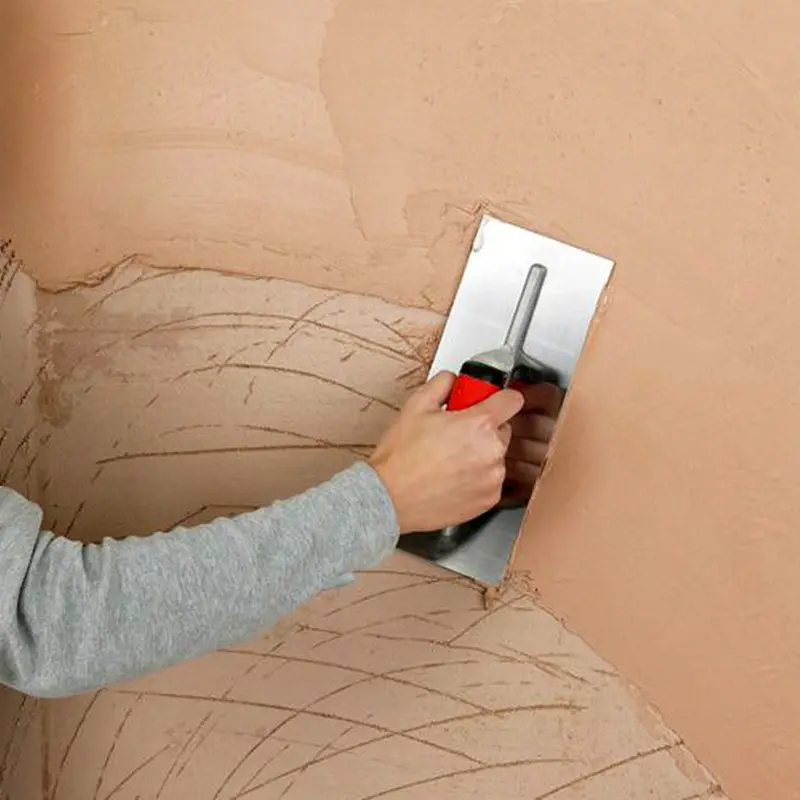
Apply the plaster using appropriate tools such as trowels or sprayers. Ensure an even coat and allow adequate time for curing before applying additional layers or finishes. The choice
of application tool can impact the final texture and appearance of the plaster, so it’s important to select the method that best suits the project’s aesthetic requirements. Careful application
also minimizes waste, further enhancing the cost-effectiveness of the project.
Curing
Adequate curing is essential to ensure the plaster sets correctly. Cellulose ethers help maintain moisture content, but it’s still vital to follow recommended curing times for the best results.
Curing conditions should be monitored to prevent premature drying or exposure to adverse weather, which can affect the plaster’s final properties. By adhering to proper curing protocols,
the risk of defects such as cracking or delamination is significantly reduced.
Common Concerns and Solutions
While cellulose ethers offer numerous benefits, some common concerns may arise during their use. Being aware of these potential issues and their solutions can help ensure a successful application.
Setting Time
Some users might experience longer setting times due to the water retention properties of cellulose ethers. This can be managed by adjusting the mixing ratios or using additives that speed up the
setting process. It’s important to balance the need for adequate curing with project timelines, ensuring that the plaster sets within a reasonable timeframe without compromising quality.
Compatibility with Other Materials
Ensure compatibility with other construction materials to avoid adverse reactions. Testing a small batch before full-scale application can help identify any issues. This precautionary step is crucial in
preventing potential failures that could arise from chemical incompatibilities, ensuring a seamless integration of materials.
Storage and Handling
Store cellulose ethers in a cool, dry place to prevent degradation. Proper handling and storage ensure that the material retains its beneficial properties. Keeping cellulose ethers in optimal conditions
not only extends their shelf life but also guarantees their effectiveness when it comes time for application.
Name: Cecilia.Wang
E-Mail:cecilia.wang@jtdf-rdp.com
Mobile:+86 190 3451 3486(Whatsapp)