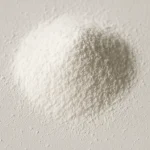

As modern construction materials continue to evolve, Hydroxypropyl Methylcellulose (HPMC) has become an essential functional additive in dry-mix mortars. Known for its excellent water retention, thickening ability, film formation, and workability improvement, HPMC plays a critical role in tile adhesives, wall putties, gypsum-based products, EIFS mortars, and self-leveling compounds.
However, to fully achieve its intended performance, HPMC must be used correctly. Recent industry analyses highlight several important precautions that manufacturers and contractors should follow to ensure consistent product quality and optimal construction results.
- Avoid Direct Addition to Hot Water — Ensure Proper Dispersion
One of the most common issues in mortar production is improper dispersion of HPMC. If added directly to hot water or mixed unevenly, HPMC may form lumps, resulting in poor viscosity development and inconsistent performance.
To ensure proper dispersion:
Dry blend first: Mix HPMC with all dry powders before adding water.
Avoid adding HPMC to water above 60°C, which may cause gelation and clumping.
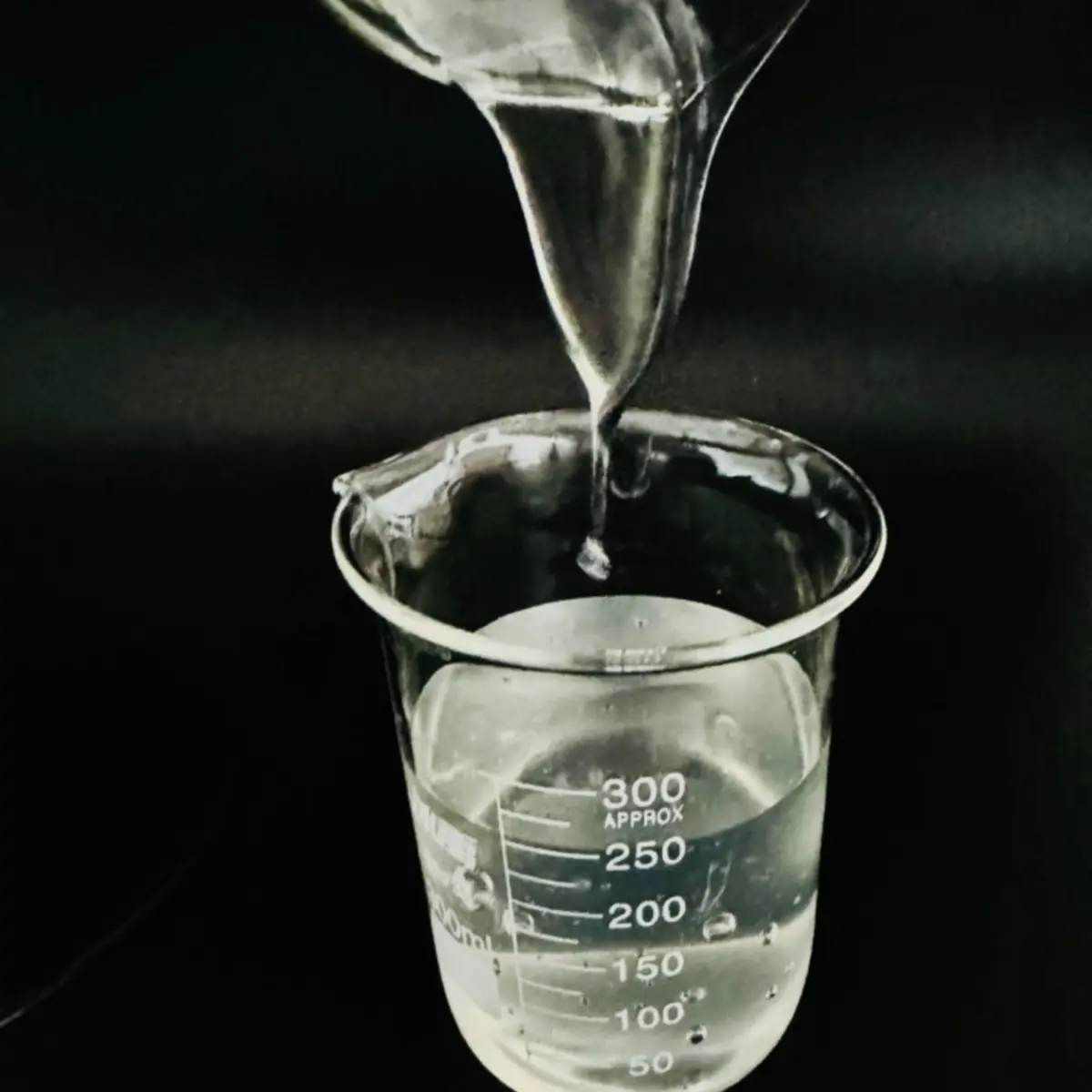
In liquid formulations, HPMC should be sprinkled slowly into vigorously stirred water to avoid agglomeration.
Correct dispersion is the foundation for HPMC to deliver its full water-retention and thickening effects.
- Control Dosage to Prevent Excessive Thickening or Poor Workability
Although HPMC greatly improves mortar performance, excessive dosage can cause:
Mortar becoming too thick or sticky
Difficulty in troweling and finishing
Excessively long open time
Increased material cost
Typical recommended dosages include:
Wall Putty: 0.2%–0.4%
Tile Adhesive: 0.2%–0.45%
Gypsum-Based Plasters: 0.1%–0.3%
Choosing the right viscosity and substitution level is crucial to achieving balanced performance.
- Check Compatibility with Cement, Gypsum, and Other Additives
HPMC performance can vary depending on the components in the mortar system. Factors influencing compatibility include:
Cement mineral composition
Gypsum retarders or accelerators
Redispersible polymer powder (RDP)
Plasticizers, defoamers, air-entraining agents
Incompatibility may cause:
Abnormal viscosity increase
Bleeding or segregation
Reduced early bonding strength
Unstable mortar behavior
A full compatibility test is essential before launching new formulations.
- Ensure Proper Storage — Moisture Protection is Critical
HPMC is hygroscopic and can easily absorb moisture, leading to:
Caking
Reduced viscosity
Poor dispersibility
To maintain product quality during storage:
Store HPMC in a cool, dry, and well-ventilated place
Keep packages sealed tightly
Avoid direct sunlight or high-temperature environments
Keep away from strong acids or alkali chemicals
Proper storage ensures long-term stability and consistent performance.
- Adjust Formulation Based on Climate and Job-Site Conditions
Environmental factors have a significant impact on HPMC behavior:
Hot or Dry Weather
Mortar dries too quickly
Cracking risk increases
Higher water-retention grade HPMC is recommended
Cold or Humid Conditions
Excessively long open time
Slower strength development
Medium-viscosity or lower water-retention grades may be more suitable
Highly Absorbent Substrates (AAC blocks, lightweight bricks)
Improve water retention
Increase bonding strength
Use higher viscosity or modified HPMC
A flexible formulation strategy ensures consistent results across varying conditions.
- Environmental & Safety Considerations — Focus on Low-VOC & Dust Control
As sustainability becomes a key priority in global construction, manufacturers must consider:
Compliance with low-VOC requirements
Dust reduction during mixing
Use of HPMC grades with environmentally friendly production processes
Worker safety during handling and batching
Eco-friendly cellulose ethers not only protect the environment but also enhance company brand value.