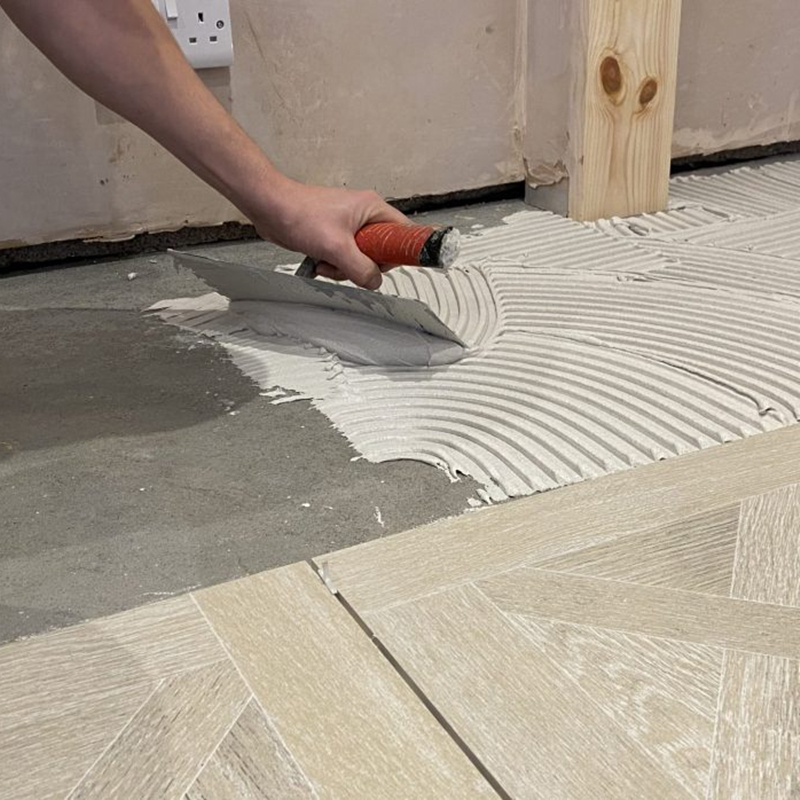

The construction industry is witnessing a significant shift towards sustainable materials. Cellulose powder is emerging as a key additive in tile adhesive mortar. This trend is driven by its ability to enhance performance and sustainability.
Demand for cellulose powder in tile adhesive mortar additives is rising rapidly. It improves water retention, workability, and adhesion strength. These benefits are crucial as global construction activities increase.
As the tile adhesive market expands, the role of cellulose in construction becomes more prominent. Its eco-friendly nature and cost-saving potential make it an attractive choice. This article explores the factors fueling this growing demand.
The Growing Role of Cellulose Powder in Construction
Cellulose powder has found a crucial role within construction, particularly in tile adhesives. This natural additive enhances several key properties. Its versatility makes it suitable for different tile applications.
The use of cellulose in construction is not just about improvement. It’s about sustainability and efficiency. Cellulose powder contributes to these objectives by reducing waste and costs.
Several benefits come with incorporating cellulose into tile adhesive products:
- Enhanced water retention
- Improved adhesion strength
- Greater workability and open time
- Smoother application and finish
The construction industry embraces cellulose powder for its compatibility. It’s compatible with various additives, creating high-quality mortar mixtures. Its renewable nature also supports green building initiatives.
Key Benefits of Cellulose Powder in Tile Adhesive Mortar Additives
Cellulose powder delivers several advantages when used in tile adhesive mortars. It helps retain water, ensuring the proper hydration of cementitious materials. This is essential for maximizing adhesive performance in construction projects.
In addition, cellulose enhances the mortar’s workability. It allows for smoother and more even tile placement, reducing installation errors and rework. This makes the adhesive more user-friendly, especially for DIY enthusiasts.
Several key benefits include:
- Improved open time for better tile adjustment
- Enhanced thermal insulation properties
- Increased adhesion strength for longevity
- Reduced environmental impact
The use of cellulose also helps in achieving a high-quality finish. Its binding properties contribute to a durable and long-lasting tile installation. As demand for high-performance building materials grows, so does the appeal of cellulose powder in adhesives.
Market Drivers: Why Demand Is Rising Rapidly
The demand for cellulose powder in tile adhesive mortar additives is surging due to various market drivers. A key factor is the global growth in construction activities. As urbanization increases, the need for efficient building materials spikes.
Cellulose powder is favored for its role in sustainable construction practices. Derived from natural sources, it offers an eco-friendly alternative to synthetic additives. This aligns with the industry’s shift towards sustainability.
Several factors contributing to the rise in demand include:
- The push for green building certifications
- Technological advancements in cellulose production
- Increasing popularity of DIY home improvements
The construction sector’s emphasis on durability also fuels cellulose powder use. As a renewable resource, it supports both economic and environmental goals.
Future Outlook for the Tile Adhesive Market and Cellulose Powder
The future of the tile adhesive market looks promising. There’s an expectation for continued growth due to increased construction demand. As urban areas expand, the need for efficient and reliable materials rises.
The role of cellulose powder in this market will likely strengthen. Its benefits in improving tile adhesive properties make it a staple ingredient. This ensures its ongoing popularity and usage in construction.
Innovations in cellulose powder formulations are expected to advance further. This progress will expand applications and optimize performance. Ultimately, these developments support sustainable building practices worldwide.
Conclusion: Embracing Cellulose for Sustainable Construction
Embracing cellulose powder in construction aligns with eco-friendly goals. This material enhances sustainability and efficiency in tile adhesives. It meets the industry’s growing need for environmentally conscious solutions.
As the demand for better materials rises, cellulose powder stands out. Its natural origins and versatile properties make it a valuable asset. The future of construction lies in adopting such sustainable innovations.